
Dairy Isn’t the Problem — Misinformation Is

Why do people selling health products know so little about food and health? Why are websites still making statements that have little connection to the real world?
A colleague recently sent me a complaint email she had written to the Women’s Health Network about an article they published—yes, I’m calling them out.
The article discussed a study on a probiotic with the potential to support weight loss. But like many articles like this, that’s an overreach.
It makes probiotics sound like a powerful weight loss tool, when in reality their effects are small and not guaranteed. It takes results from one study and presents them as if they apply to everyone. And it ignores something fundamental: probiotics are strain-specific—not all probiotics do the same thing.
How do the writer or editors not know that L. rhamnosus is not a strain, but a species? L. rhamnosus GG is a strain. So are Lactobacillus rhamnosus GR-1, Lactobacillus rhamnosus HN001, Lactobacillus rhamnosus Lc705, and Lactobacillus rhamnosus DSM 17938.
Different strains are studied for different outcomes—not just weight loss. This distinction matters, yet most people aren’t aware of it. They read headlines, skim articles, and walk away thinking all probiotics are interchangeable. That doesn’t help someone trying to find something that may actually work for them.
Probiotic research is still in its early stages. We need thoughtful, accurate information to understand what these products can and cannot do.
There are other issues with the article as well.
It makes the gut sound like it controls weight, instead of influencing it. It presents ideas like craving control and fat burning as proven, when they are still being studied.
But this is the statement that pushed my colleague to send the complaint—complete with evidence.
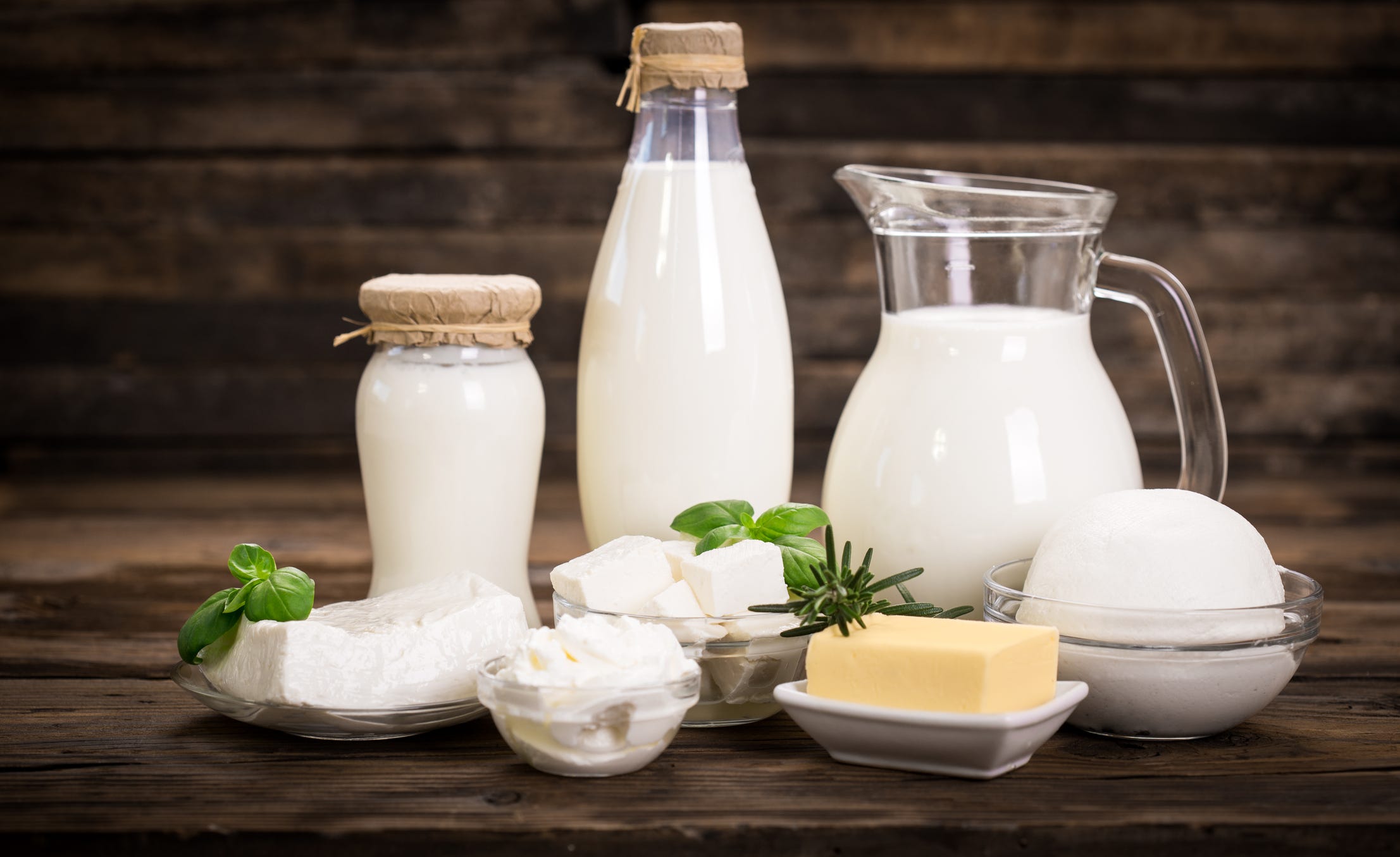
The article labels dairy as “inflammatory” and suggests it causes “tummy troubles.”
When is this idea that “dairy is inflammatory” going to disappear?
Unless someone has a condition that prevents them from properly digesting dairy, it can actually be a useful food—one that feeds certain microbes. That’s one of the roles of lactose.
The evidence she cited is a meta-analysis of 52 human clinical trials measuring inflammatory markers before and after dairy consumption.
It found that dairy is not inflammatory for most people. In fact, in some metabolic conditions, it may even have anti-inflammatory effects. The only consistent inflammatory response is in the case of a true allergy—which is expected with any allergen.
Isn’t that the message we should be sharing when we talk about dairy—or any food?
I’ve been circulating this paper for years, hoping that eventually the message would stick. At this point, I’m not so sure.
We often talk about the limitations of nutrition research—and that’s fair. It’s hard to study. But this type of meta-analysis, using human trials and measuring blood markers, is about as strong as it gets.
Is it any wonder the public is confused? Or that they’re not getting the best advice?
This article may have been written by an ND, but the issue is bigger than that. Many health professionals continue to repeat this kind of misinformation, and no one seems to challenge it.
It makes people question who to trust. And more importantly, it can lead to poor decisions.
Everyone is different. The best foods for one person are not necessarily the best for another. But instead of being taught how to understand that, people are being misled—often by headlines designed to get clicks.
When it comes to gut health, this matters. The gut plays a central role in overall health, and as we learn more, it has the potential to help us address a wide range of issues.
But that won’t come from a single probiotic—or even a handful of products. The gut is complex, and it needs to be approached with that level of respect.
I’m glad my colleague spoke up. I don’t expect it to change much. I’d be surprised if she even receives a response.
But it’s still worth trying.
PS: If you want higher-quality dairy with more nutrients, choose grass-fed organic. This isn’t a trendy thing — it reflects cows eating their natural diet and being treated humanely, which translates into benefits for us in ways people may find surprising. That’s a topic for another day.